

Atherosclerosis symptoms can develop silently and often go unnoticed for years. Recognizing these warning signs early is crucial to preventing serious complications like heart attacks, strokes, and peripheral artery disease. In this comprehensive guide, we explore the common symptoms of atherosclerosis, how they affect different parts of the body, and the best strategies for prevention and management.
What Is Atherosclerosis?
Atherosclerosis is a condition where fatty deposits, cholesterol, and other substances accumulate inside the arteries, forming plaque. This plaque gradually narrows the arteries, reducing blood flow to vital organs. Over time, restricted blood flow can lead to heart attacks, strokes, or kidney problems. The American Heart Association explains more about atherosclerosis.
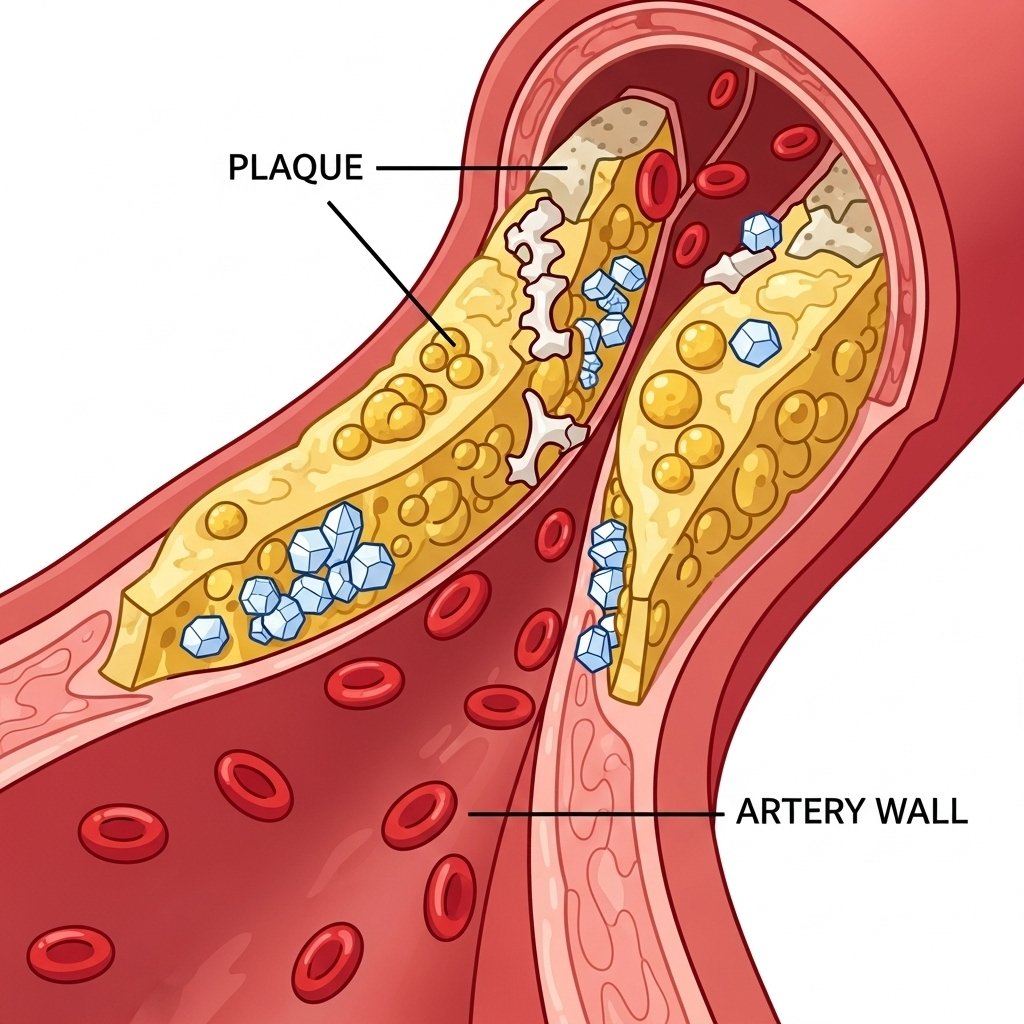
Common Atherosclerosis Symptoms
Understanding the symptoms of atherosclerosis is key to early intervention. The manifestations depend on which arteries are affected. Common signs include:
1. Chest Pain (Angina)
If atherosclerosis affects the coronary arteries, it can cause chest pain or pressure known as angina. This often occurs during physical exertion or stress, signaling that the heart is not receiving enough oxygen-rich blood.
2. Shortness of Breath
Narrowed arteries can reduce blood flow, making it harder for the heart to pump efficiently. This can lead to shortness of breath, particularly during physical activity. If left untreated, it may result in heart failure.
3. Leg Pain or Claudication
Atherosclerosis in the leg arteries, called peripheral artery disease (PAD), causes pain, cramping, or fatigue in the legs while walking or exercising. Rest usually relieves symptoms, but in severe cases, pain can persist even at rest.
4. Numbness or Weakness
When arteries supplying the brain are affected, symptoms like sudden numbness, weakness, confusion, or difficulty speaking may occur. These are warning signs of transient ischemic attacks (TIAs) or strokes. Learn more about stroke symptoms from Mayo Clinic.
5. High Blood Pressure
Reduced arterial elasticity increases resistance to blood flow, raising blood pressure. Persistent high blood pressure is a major risk factor for heart disease and stroke.
6. Kidney Problems
Atherosclerosis affecting renal arteries can reduce kidney function, leading to high blood pressure and kidney disease.
7. Erectile Dysfunction
In men, atherosclerosis may limit blood flow to the penis, causing erectile dysfunction, which can be an early indicator of cardiovascular disease.
Diagnosis of Atherosclerosis
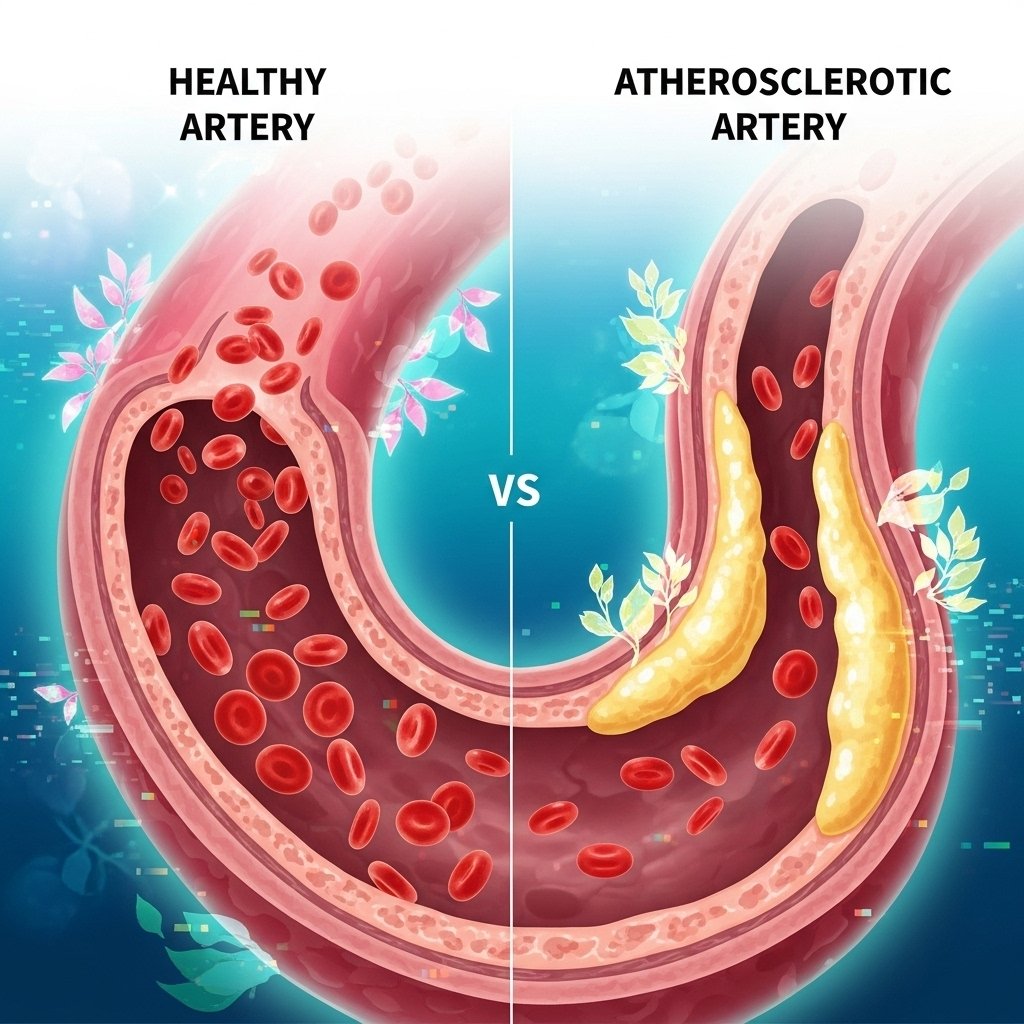
Doctors use a combination of tests to diagnose atherosclerosis, including:
- Blood tests: Measure cholesterol and triglycerides.
- Electrocardiogram (ECG/EKG): Detects heart rhythm abnormalities.
- Stress testing: Evaluates heart function under exertion.
- Imaging tests: Ultrasound, CT scans, or angiography visualize plaque buildup.
For more details on diagnostic methods, check CDC’s Atherosclerosis Overview.
Prevention and Management of Atherosclerosis
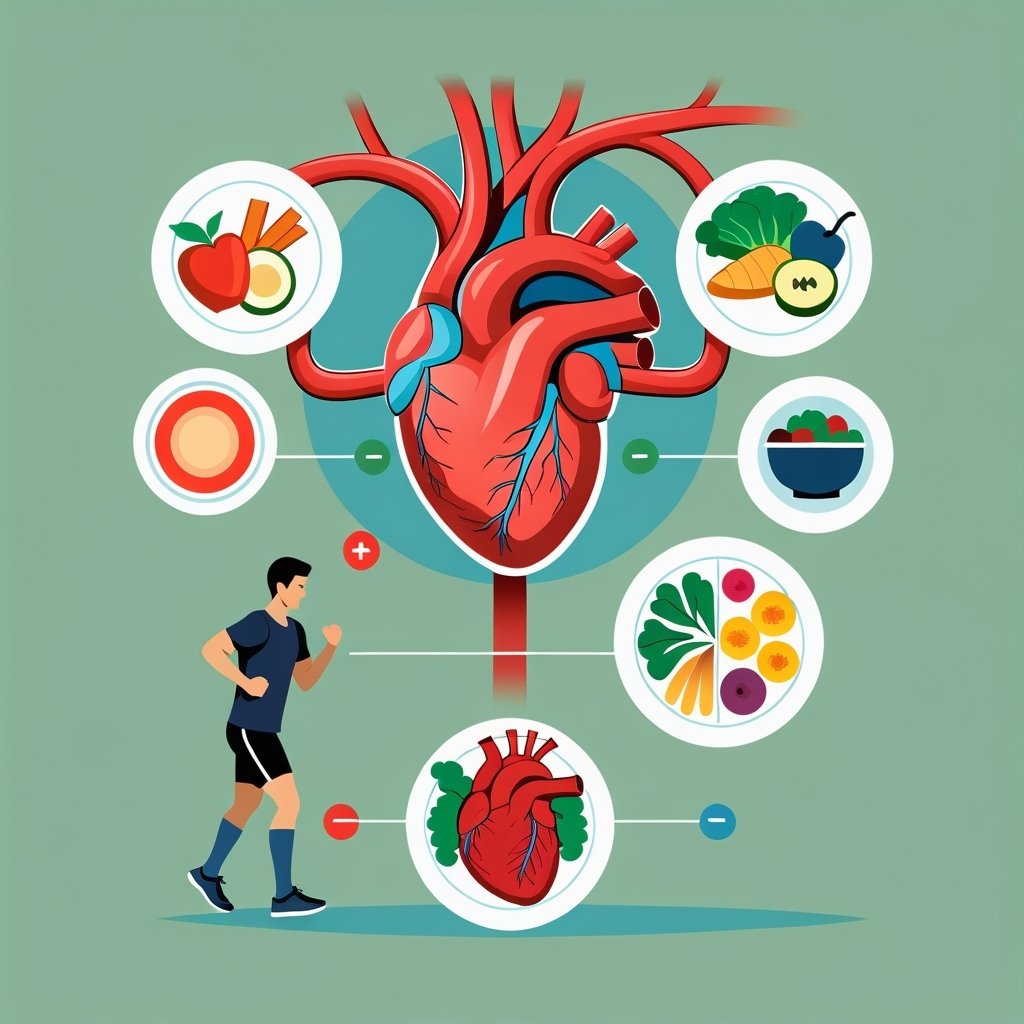
Preventing atherosclerosis or slowing its progression is possible through lifestyle changes and medical intervention. Effective strategies include:
1. Healthy Diet
Eat plenty of fruits, vegetables, whole grains, and lean proteins. Limit saturated fats, trans fats, and cholesterol to prevent plaque buildup.
2. Regular Exercise
Engage in at least 30 minutes of moderate physical activity most days. Activities like walking, swimming, and cycling improve heart health.
3. Quit Smoking
Smoking accelerates arterial plaque formation. Quitting significantly lowers the risk of heart attacks and strokes.
4. Control Blood Pressure and Cholesterol
Monitoring and managing blood pressure and cholesterol are essential. Your doctor may prescribe medications if lifestyle changes aren’t enough.
5. Manage Diabetes
Proper blood sugar control can prevent arterial damage associated with diabetes.
6. Medications
Doctors may recommend cholesterol-lowering drugs, blood pressure medications, or anticoagulants to reduce complications.
For more information on related cardiovascular topics, see our articles on coronary artery disease symptoms and stroke prevention tips.
Conclusion
Atherosclerosis symptoms can be subtle but recognizing them early saves lives. By maintaining a heart-healthy lifestyle, monitoring blood pressure and cholesterol, and seeking timely medical care, you can significantly reduce your risk of severe complications. Early action is the best prevention.
Frequently Asked Questions (FAQ)
What is the first sign of atherosclerosis? Chest pain, leg cramps, or shortness of breath are often the first noticeable symptoms. Can atherosclerosis be cured? It cannot be cured, but its progression can be slowed with lifestyle changes and medications. Is atherosclerosis the same as arteriosclerosis? Atherosclerosis is a type of arteriosclerosis caused by plaque buildup inside arteries. How can I reduce my risk? Eat healthy, exercise regularly, quit smoking, manage blood pressure, cholesterol, and diabetes. When should I see a doctor? Consult a healthcare provider if you experience chest pain, leg pain, numbness, or shortness of breath.