

Coronary Artery Disease (CAD) is the most common type of heart disease and a leading cause of death worldwide. It happens when the coronary arteries, which supply blood to the heart muscle, become narrowed or blocked due to atherosclerosis. This restricts blood flow, reduces oxygen supply, and increases the risk of heart attack and other serious complications. Understanding its causes, symptoms, and treatments is essential for protecting your heart health.
What is Coronary Artery Disease?
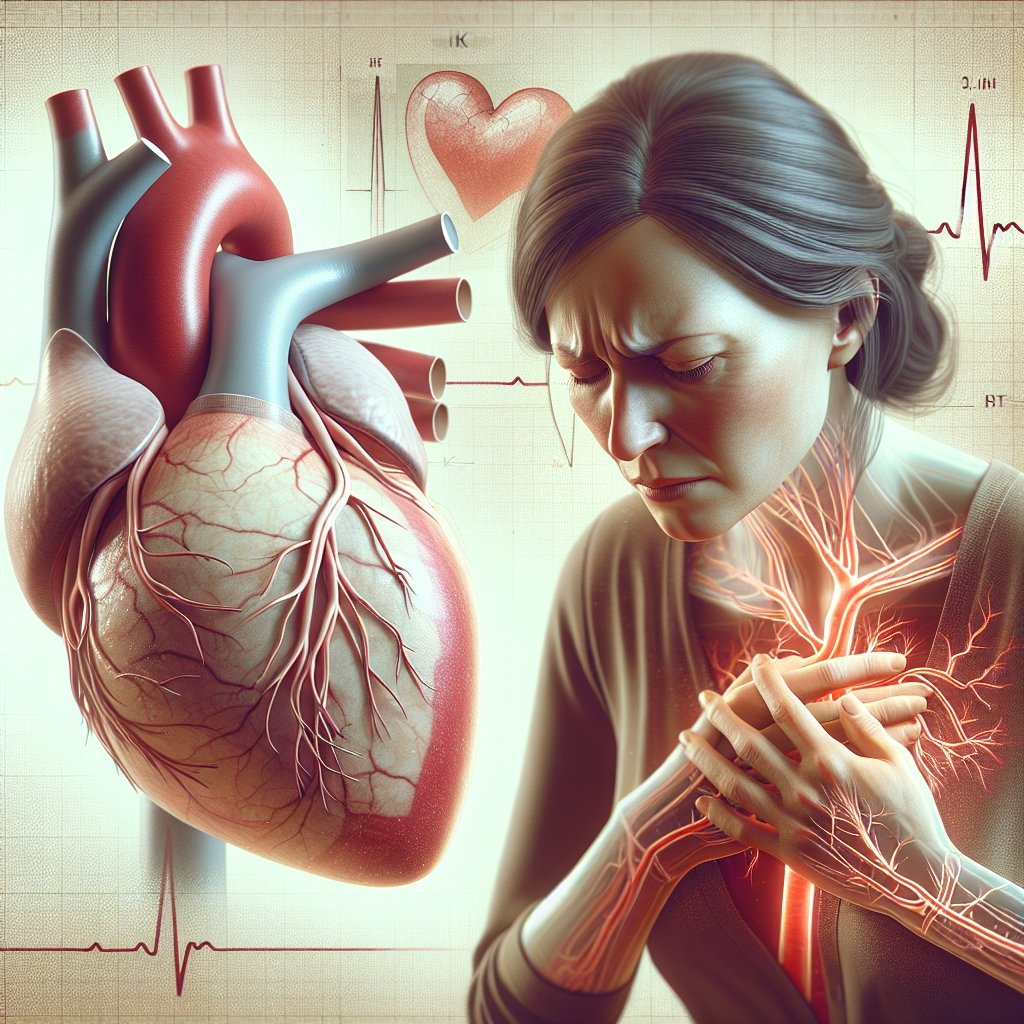
Coronary Artery Disease develops gradually as cholesterol and fatty deposits build up on the inner walls of the arteries. These deposits, called plaque, cause the arteries to harden and narrow, limiting blood flow to the heart. Over time, this can lead to chest pain (angina), shortness of breath, or even a heart attack. CAD is strongly linked to risk factors like high blood pressure, diabetes, and smoking.
Causes & Risk Factors of Coronary Artery Disease
The primary cause of CAD is plaque buildup (atherosclerosis). However, multiple risk factors increase the likelihood of developing this condition:
- High cholesterol – Excessive LDL (“bad” cholesterol) contributes to plaque formation.
- High blood pressure – Forces the heart to work harder, damaging arteries over time.
- Diabetes – Increases vascular inflammation and accelerates atherosclerosis.
- Smoking – Damages blood vessel lining and lowers oxygen in the blood.
- Obesity & sedentary lifestyle – Contribute to high cholesterol, hypertension, and diabetes.
- Unhealthy diet – Diets high in saturated fats, salt, and processed foods increase risks.
- Family history – A genetic predisposition may make CAD more likely.
- Age & gender – Men are generally at higher risk at a younger age, while risk in women increases after menopause.
These factors often work together, making early prevention strategies crucial.
Symptoms of Coronary Artery Disease
Many people with CAD may not experience symptoms until the condition has significantly progressed. Common symptoms include:
- Chest pain (angina) – A feeling of pressure, heaviness, or tightness, often triggered by physical activity or stress.
- Shortness of breath – Especially during exertion when the heart cannot pump enough blood to meet demand.
- Fatigue – Ongoing tiredness due to reduced blood flow to the heart and body.
- Heart attack – Severe chest pain, sweating, nausea, and dizziness when blood flow is completely blocked.
Sometimes CAD is silent, with no symptoms until a major event like a heart attack occurs. This is why routine check-ups and early diagnosis are essential.
Diagnosis of Coronary Artery Disease
Early detection of Coronary Artery Disease can prevent severe complications. Doctors use a combination of medical history, physical exams, and diagnostic tests to identify CAD:
- Electrocardiogram (ECG) – Detects irregularities in heart rhythm and signs of previous heart damage.
- Stress test – Monitors heart function during physical activity or with medication that simulates exercise.
- Echocardiogram – Uses ultrasound waves to show heart structure and blood flow.
- Coronary angiography – A dye-based X-ray that reveals blockages in coronary arteries.
- CT or MRI scans – Advanced imaging methods to detect artery narrowing and calcification.
- Blood tests – To measure cholesterol, triglycerides, and markers of heart disease risk.
Routine screening is recommended for individuals with risk factors such as high blood pressure, diabetes, or family history of heart disease.
Complications of Coronary Artery Disease
If left untreated, CAD can lead to life-threatening complications:
- Heart attack (myocardial infarction) – When blood flow is completely blocked, causing permanent heart damage.
- Heart failure – A weakened heart cannot pump blood efficiently, leading to fatigue and fluid buildup.
- Arrhythmia – Irregular heartbeat due to damage in the heart’s electrical system.
- Sudden cardiac arrest – Severe arrhythmias can cause the heart to stop abruptly.
Understanding these risks highlights the importance of early treatment and lifestyle adjustments.
Treatments & Remedies for Coronary Artery Disease
Treatment for CAD focuses on improving blood flow, relieving symptoms, and reducing risks of complications. Options include:
Lifestyle Modifications
- Adopting a heart-healthy diet rich in fruits, vegetables, whole grains, and lean proteins.
- Exercising regularly (at least 150 minutes of moderate activity weekly).
- Quitting smoking and limiting alcohol intake.
- Managing stress through relaxation techniques such as yoga or meditation.
Medications
- Statins – Reduce cholesterol and stabilize plaques.
- Beta-blockers – Lower heart rate and blood pressure.
- Aspirin – Helps prevent blood clots and heart attacks.
- ACE inhibitors – Relax blood vessels and lower blood pressure.
- Nitrates – Relieve chest pain (angina).
Medical Procedures
- Angioplasty and stent placement – Opens blocked arteries with a balloon and keeps them open with a stent.
- Coronary artery bypass grafting (CABG) – Redirects blood flow around blocked arteries using grafts.
Treatment plans depend on the severity of CAD and individual patient health. A combination of lifestyle changes and medical therapy is often the most effective approach. For more detailed treatment guidelines, visit the Mayo Clinic resource.
Prevention & Lifestyle Tips for Coronary Artery Disease
While Coronary Artery Disease cannot always be prevented, adopting healthy habits can significantly reduce the risk and slow its progression. Prevention strategies include:
- Maintain a healthy weight – Aim for a body mass index (BMI) within the normal range.
- Eat a balanced diet – Focus on vegetables, fruits, whole grains, lean proteins, and foods rich in omega-3 fatty acids.
- Stay physically active – Engage in at least 30 minutes of exercise most days of the week.
- Control blood pressure and cholesterol – Regular medical checkups and prescribed medications if needed.
- Manage diabetes – Keep blood sugar levels under control with diet, medication, and exercise.
- Quit smoking – One of the most effective steps for improving overall cardiovascular health.
- Limit alcohol intake – Excessive alcohol raises blood pressure and cholesterol.
- Reduce stress – Mindfulness, deep breathing, or yoga can help lower stress levels.
- Regular check-ups – Early detection of risk factors improves outcomes and reduces complications.
By following these prevention tips and working closely with your doctor, you can protect your heart health and lower the chances of serious complications.
Coronary Artery Disease (CAD) remains one of the most significant global health concerns, but it is also largely preventable and manageable. Understanding its causes, recognizing the symptoms, and seeking timely treatment can save lives and improve quality of life. Through a combination of lifestyle changes, medications, and medical procedures, individuals with CAD can live longer and healthier lives.
If you or someone you know is at risk, do not ignore the warning signs. Consult a healthcare professional for personalized advice and take proactive steps to maintain a strong and healthy heart.